When the plot of Jackie Chan in Crime Story 2 hinges on a high‑speed chase, the unseen hero behind the scenes is often a reliable engine and its power supply. In real life, the same principle applies to everyday vehicles: a sturdy generator and a precise voltage regulator keep the engine, lights, and accessories running smoothly. Below is a straightforward overview of why these components matter, how to spot trouble, and what to look for when selecting a replacement.
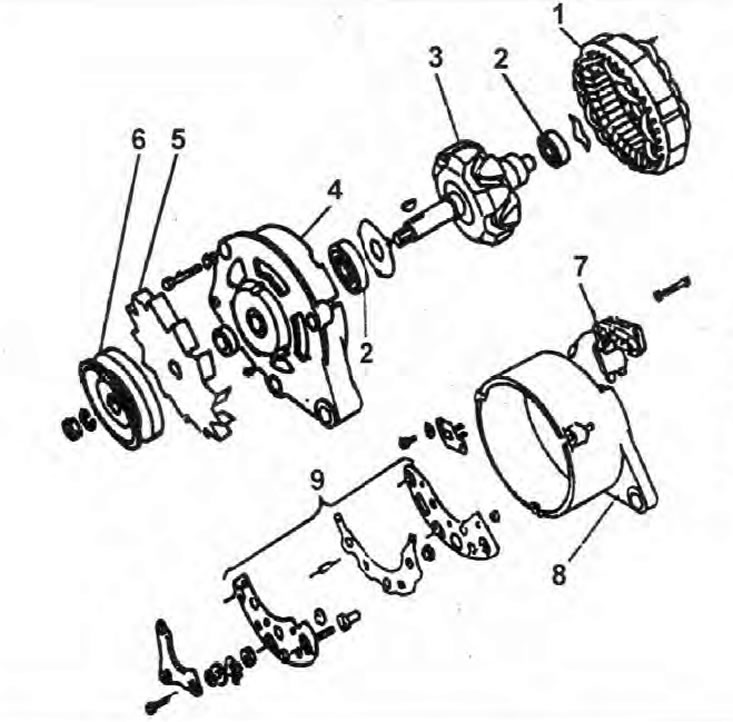
What’s Inside the Generator and Regulator
The generator (or alternator) converts mechanical energy from the engine into electrical energy, supplying the car’s battery and powering accessories when the engine runs. The voltage regulator is the brain that keeps this electrical output at a safe, constant level—typically around 13.8 to 14.4 volts for most passenger cars.
Common Symptoms of a Failing System
- Dim or flickering lights—often the first hint that the alternator can’t keep up with the load.
- Battery warning light on—the regulator may be allowing too high a voltage, causing over‑charging.
- Engine stalls at idle—a weak generator may fail to supply enough current to keep the engine’s electronic control units operational.
When the Regulator Goes Wrong
If the regulator is defective, the output may swing wildly: too low and the battery discharges, too high and the battery and electronics overheat. This is why many mechanics recommend a dual‑stage regulator for older vehicles, providing a smoother voltage curve during variable engine loads.
Replacing the Generator
Swap a worn generator for a new one in a few simple steps:
- Disconnect the battery to prevent accidental short circuits.
- Remove the old alternator by loosening the mounting bolts and detaching the drive belt.
- Fit the new alternator, ensuring the belt is routed correctly.
- Reconnect the battery and start the engine to confirm proper charging.
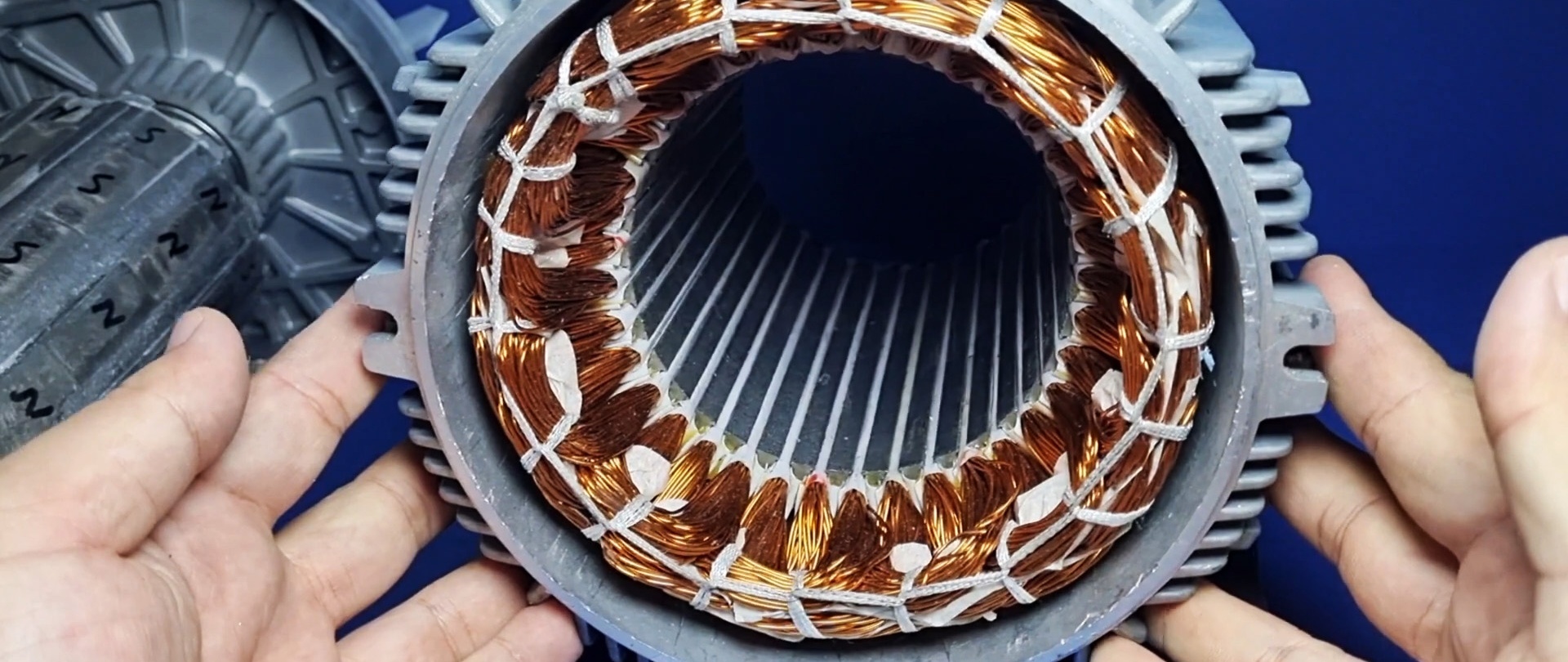
Modern alternators often come with a built‑in regulator, but if your vehicle requires a separate unit, the process is nearly identical, aside from connecting the regulator’s input and output leads to the alternator’s stator terminals.
Selecting a Replacement Regulator
- Vehicle compatibility—consult the owner's manual or a trusted parts catalog to match the regulator’s voltage range and connector layout.
- Integrated vs. separate units—integrated regulators are easier to install but offer less flexibility for high‑performance upgrades.
- Quality and warranty—choose a brand with a reputable warranty, as a faulty regulator can cause more damage than a simple electrical fault.
Implications for Everyday Drivers
Even if you’re not starring in an action film, understanding the role of the generator and voltage regulator can save you from unexpected breakdowns. A properly functioning charging system means fewer battery replacements, steadier engine performance, and a reliable vehicle during high‑drain scenarios—such as towing or long‑term battery usage.
For the most part, routine checks of the alternator’s output voltage (between 13.8 and 14.4 volts when the engine is running) are enough to catch emerging issues early. If you notice any of the symptoms listed earlier, replace the parts promptly to avoid costly repairs down the line.
Final Takeaway
Whether Jackie Chan is dodging bullets in a crime thriller or a car is racing down a highway, a dependable generator and regulator are the silent enforcers of performance and safety. Knowing when to replace them—and choosing the right parts—ensures that the machinery behind the scenes runs as smoothly as the on‑screen action.
Kefy Generátora A Regulátor Napätia — Výmena (Škoda Favorit, 1987-1994
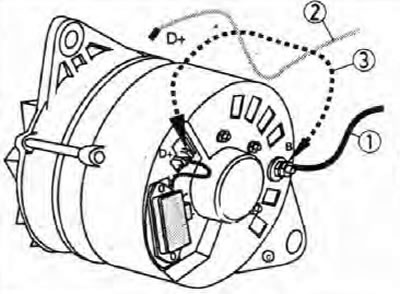
Kefy generátora a regulátor napätia — výmena (Škoda Favorit, 1987-1994 ...
Ako Previesť Trojfázový Asynchrónny Motor Na Generátor Vlastnými Rukami
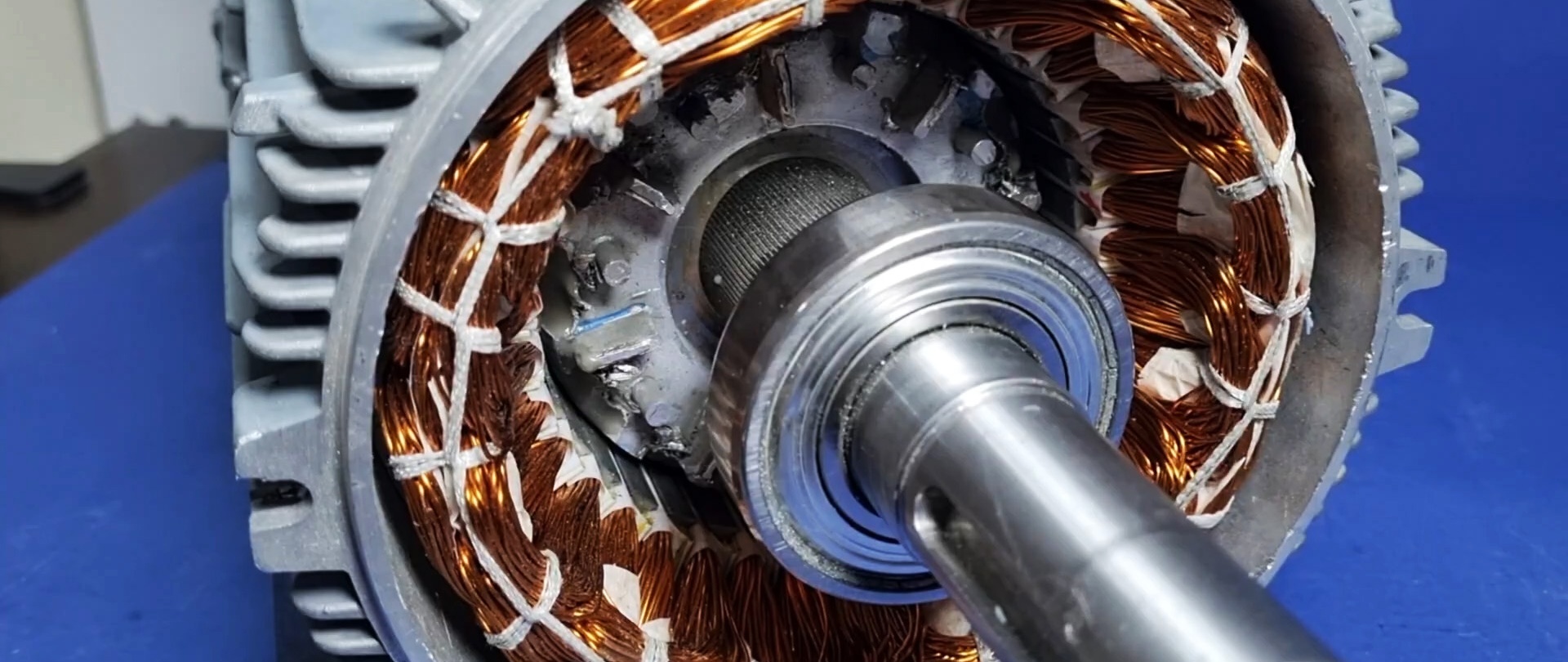
Ako previesť trojfázový asynchrónny motor na generátor vlastnými rukami
Generátorové Zariadenie CS-121D (Chevrolet Aveo T200 2003-2008
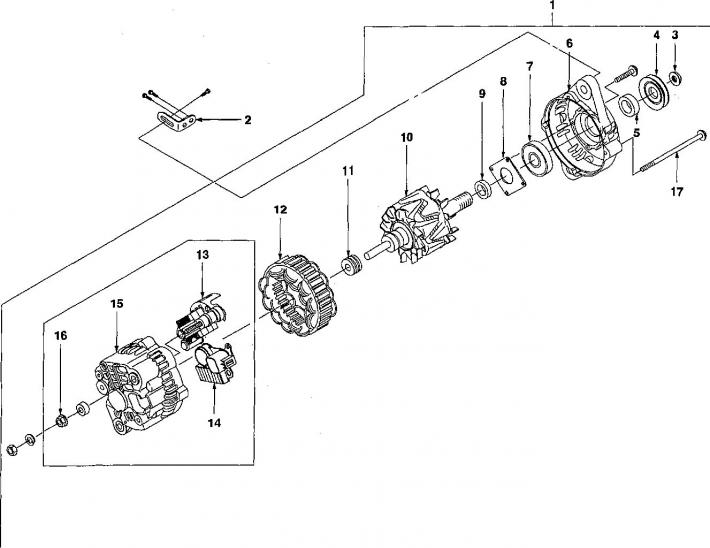
Generátorové zariadenie CS-121D (Chevrolet Aveo T200 2003-2008 ...