Even the most seasoned beekeeper can unknowingly sabotage a hive’s progress by following the wrong template. From improper cell sizing to misaligned frames, these seemingly small errors can cascade into dwindling populations and lost honey. Below we break down the most common template pitfalls, offer real‑world examples, and give clear steps to reverse the damage.

1. Skipping the Initial Cell‑Size Check
New colonies often start with a standard 3‑inch hive body. When a beekeeper skews the cell dimensions—using too wide a frame or a wrong foundation—worker bees adapt by making irregular cells. This hampers queen egg laying, reduces brood viability, and creates uneven honey storage.
- Example: A backyard beekeeper swapped a 3‑inch foundation for a 2½‑inch one to save cost. Within a month, the queen’s laying pattern became patchy, and the colony’s larval survival dropped 18%.
- Actionable Fix: Verify foundation thickness with a ruler before installation. If using a new hive design, keep cell width within the standard 3.18–3.20 mm for Western honey bees.
2. Over‑Crowding the Brood Box
Too many frames crammed into a single box create a cramped environment that stirs competition for resources and increases disease spread. A queen can’t lay effectively when her workers are fighting for space.
- Example: A commercial operation added an extra frame to each brood box to “optimize space.” The result was an 8% rise in Varroa mite infestation, linked to the reduced airflow.
- Actionable Fix: Maintain one frame per 4 ft² of interior space. If you need extra space, add a separate brood box rather than overcrowding the existing one.
3. Ignoring the “Top Frame” Position
The topmost frame in a brood box is where the queen begins her first set of eggs after a frame removal. Misplacing this frame—placing it too low or too high—disturbs the brood pattern and can lead to brood collapse.
- Example: A novice beekeeper placed the top frame two inches lower than recommended to make room for a new queen. The result was a 12% decline in pupae due to delayed ventilation.
- Actionable Fix: Always start the brood frame stack at the very top of the box, with the queen’s egg-laying zone in the uppermost cell rows.
4. Using Non‑Standard Foundation Material
Plastic or paper foundations may look economical but often lack the necessary stiffness for proper cell construction. Bees compensate by making thinner, weaker cells, which can’t support the weight of honey or brood.
- Example: A small farm switched to recycled paper foundations to reduce waste. Within six months, honey yield dropped 22% due to collapsed cells.
- Actionable Fix: Stick to certified metal or high‑grade plastic foundations approved by apiarists. If using recycled materials, ensure they’re treated to match commercial standards.
5. Neglecting Hive Temperature Regulation
Templates that force workers into tight clusters raise internal temperatures beyond optimal ranges, stressing the queen and accelerating pathogen growth.
- Example: In a temperate zone, a beekeeper installed a “thermal‑efficient” hive without a proper ventilation vent. The colony’s brood temperature hovered above 33°C, leading to a 15% increase in fungal spores.
- Actionable Fix: Incorporate adjustable vents or use a double‑cavity design to allow air flow. Monitor temperature with a digital hive thermometer during peak seasons.
6. Forgetting to Rotate Frames
Workers tend to build honey in the most recent frames, leaving older ones underutilized. If the template doesn’t encourage rotation, honey can remain in early frames longer than necessary, creating a breeding ground for pests.
- Example: A long‑term colony retained the same top frame for 18 months, resulting in a 30% increase in wax moth activity.
- Actionable Fix: Rotate frames weekly during the buildup and harvest phases. Label frames with dates for easy tracking.
Implications for Colony Health and Productivity
When template errors go unchecked, they can snowball into major setbacks. Reduced brood viability directly translates to fewer workers, while structural weaknesses lower honey output. Worse, these missteps create micro‑environments that favor parasites like Varroa mites and fungal pathogens.
By revisiting the basics—cell size, frame placement, material choice, and environmental controls—beekeepers can rescue struggling colonies and set a trajectory toward healthy, productive hives.

Beehive Frames Buzz With Activity As Bees Work On Honeycombs Royalty
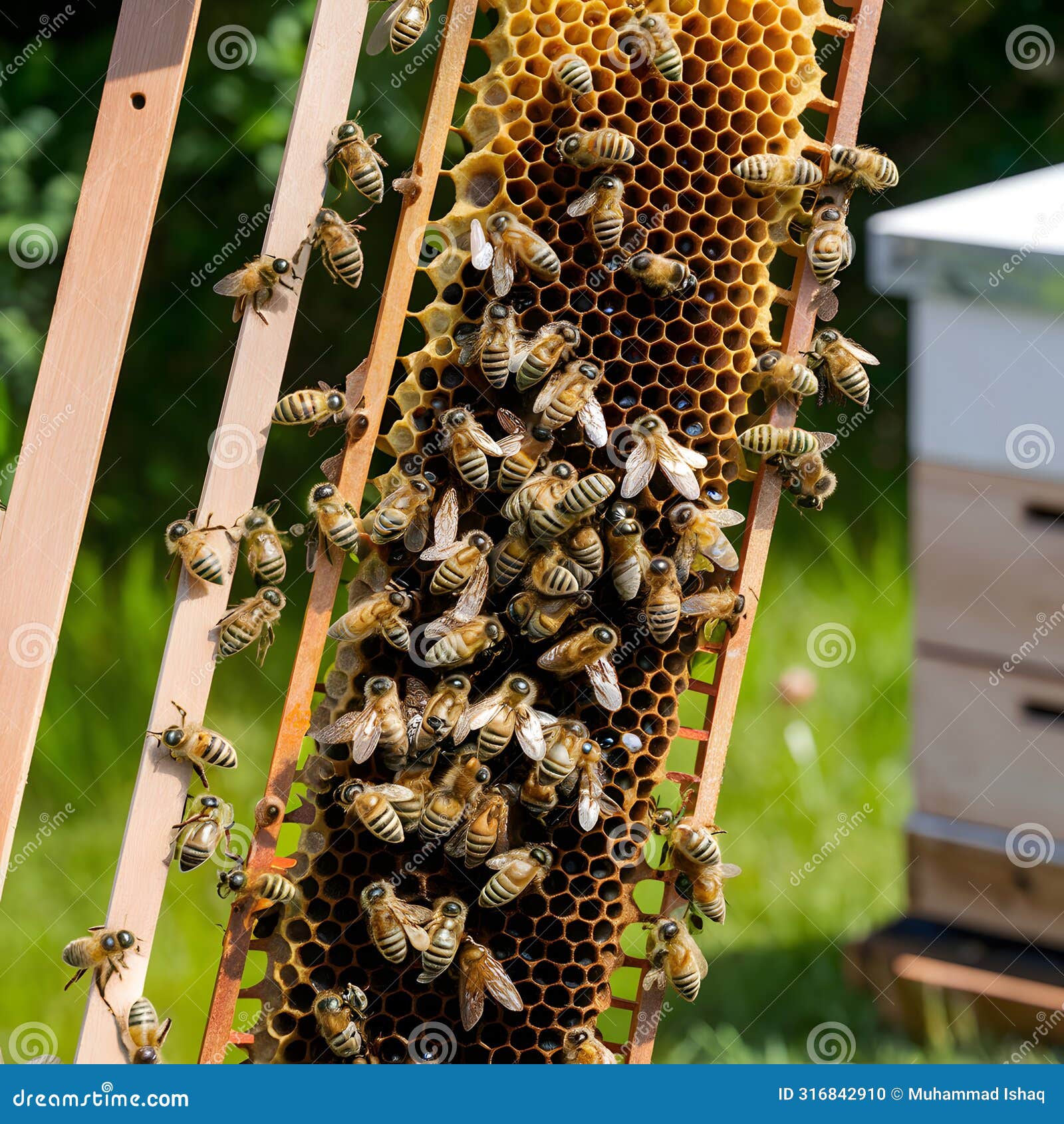
Beehive Frames Buzz With Activity As Bees Work On Honeycombs Royalty ...
Quality Cedar Wood Beehive Set From Europe
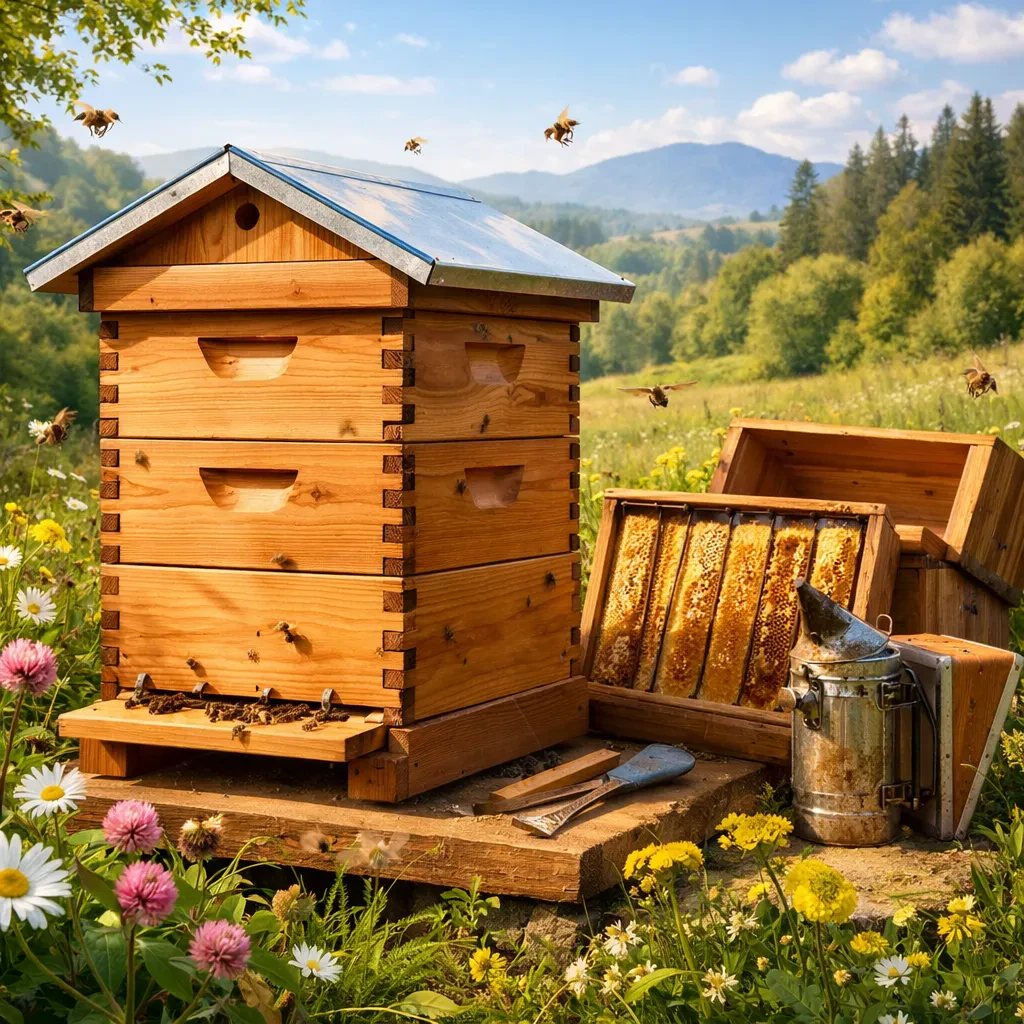
Quality Cedar Wood Beehive Set from Europe
Beehive Colouring Pages
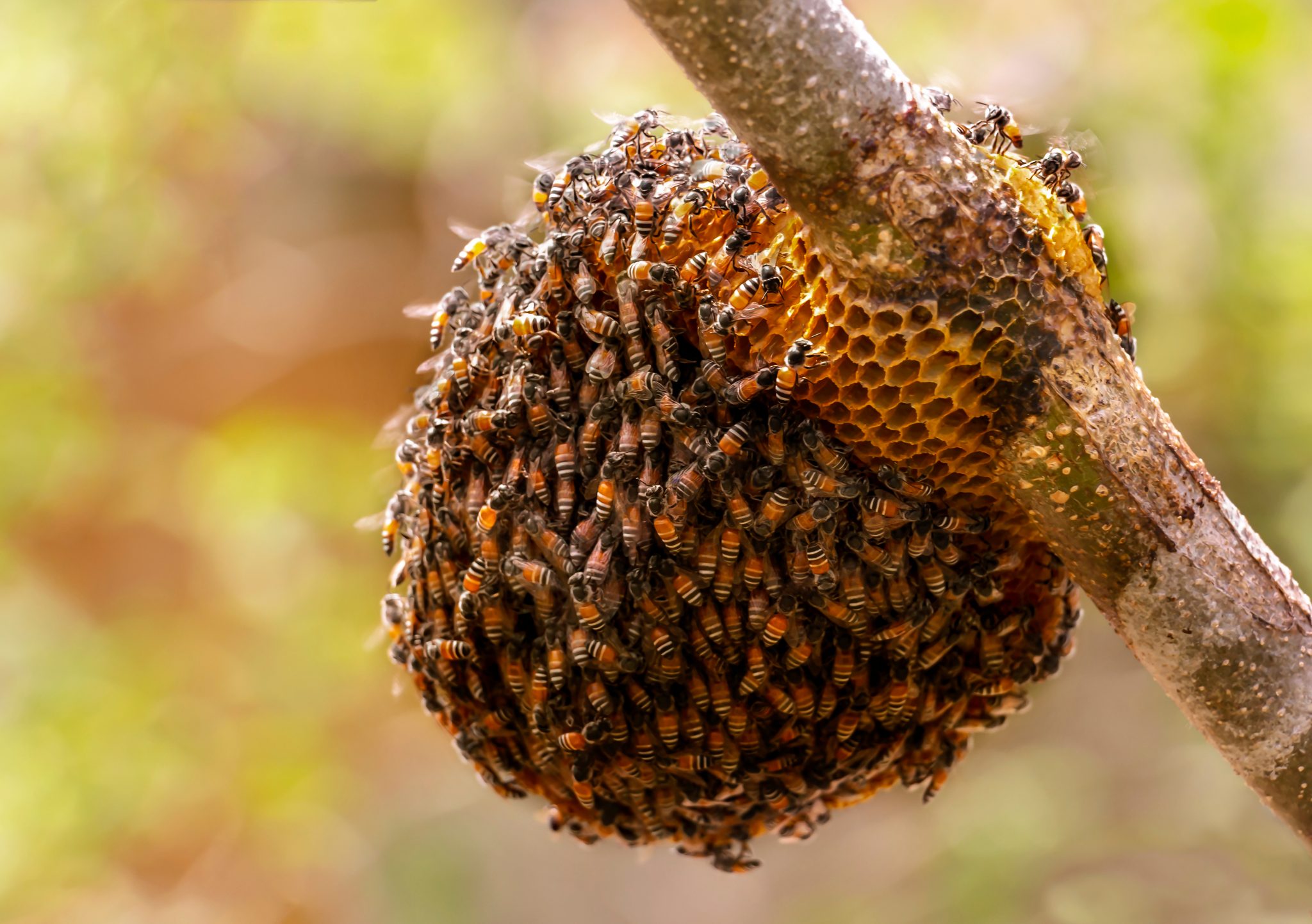
Beehive Colouring Pages