Scouts leaders who juggle weekend meetings, fundraising, and badge planning often find the BSA health form a bottleneck; mastering the BSA Health Form for Scouts Leaders means turning that form from a compliance headache into a quick‑check that keeps every pack safe without derailing the program.
Why the Health Form Is More Than Paperwork
The BSA health form supplies the information needed for emergency responders, camp staff, and volunteer coordinators to act confidently when a scout falls ill or is injured. In contrast to a generic consent slip, the BSA form captures allergy specifics, medication schedules, and chronic conditions that can change a routine hike into a medical emergency if overlooked.
Typical Mistakes vs. Proven Practices
Relying on Outdated Copies
- What often happens: Leaders keep a single PDF on a USB drive and forget to request updates annually.
- Better approach: Use the BSA’s online portal to prompt each scout’s family for a fresh submission at the start of every season.
Skipping the “Allergies” Section
- Pain point: A missed peanut allergy can lead to a severe reaction during a snack break.
- Solution: Treat the allergies field as a checklist—verify each item with the scout and a parent before the form is considered complete.
Overcomplicating Medication Details
- Common error: Leaders write “as needed” for asthma inhalers, leaving responders unsure of dosage.
- Best practice: List exact medication names, strengths, and timing (e.g., “Albuterol 90 µg inhaler, 2 puffs before activity”).
Streamlined Process for the Busy Leader
Time‑crunched volunteers need a repeatable workflow. Start by assigning a single “Health Form Champion” for each troop—typically an adult with reliable internet access. This person can set calendar reminders for the yearly renewal, download the fillable PDF, and upload completed forms to the BSA’s cloud portal. By consolidating all forms in one secure folder, leaders avoid the scramble of searching through emails during an incident.
When a new scout joins, have the champion send an automated email with the health form link and a brief “what we need” checklist. A quick phone call to confirm that parents have read the instructions cuts down on missing fields. After receipt, the champion should flag any “high‑risk” entries (e.g., severe allergies, daily insulin) in a separate spreadsheet that is accessible to the troop’s first aid officer.
Tools and Resources
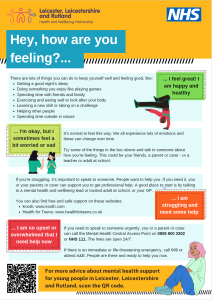
Beyond the official PDF, the BSA offers an online submission platform that automatically validates required fields and alerts leaders to incomplete sections. Pair this with a free mobile app—such as the one highlighted in the Emotional Health Pictures Solihull approach—to store a snapshot of each scout’s form on a password‑protected device. The image below illustrates a calm, supportive environment, reinforcing the idea that health documentation should feel like a safety net, not a bureaucratic obstacle.
What Happens After the Form Is Complete
With a current, accurate health form in hand, leaders can brief camp staff, first‑aid volunteers, and substitute adult leaders on any special needs before an activity begins. In emergencies, responders can locate the form in the troop’s digital folder, read medication instructions, and act without delay. Moreover, regular reviews of the form help scouting units spot trends—like increasing asthma cases—that might prompt a unit‑wide wellness workshop.
Ultimately, turning the BSA health form into a routine check rather than a one‑off task frees leaders to focus on earning badges and building character, knowing that the health details are already covered.