Businesses that adopt structured estimation forms report faster decision cycles, clearer cost visibility, and reduced rework—all because the right data reaches the right team at the right moment. By turning informal guesses into repeatable, auditable entries, organizations can free up hours that would otherwise be spent chasing clarification or correcting scope drift.
Why Structured Estimation Matters
Traditional project kick‑offs often rely on verbal forecasts or ad‑hoc spreadsheets. Those approaches create three hidden costs:
- Ambiguity. Stakeholders interpret numbers differently, leading to scope disputes.
- Latency. Gathering missing details can delay approvals by days or weeks.
- Rework. Inaccurate estimates force teams to revisit tasks, inflating budgets.
Estimation forms replace guesswork with a consistent framework that captures assumptions, required resources, and risk factors in a single, searchable artifact.
Key Elements of an Effective Estimation Form
To make estimation forms truly streamline your workflow today, each template should contain the following sections:
- Project Overview. A brief narrative that sets context and identifies the primary deliverable.
- Scope Definition. Checkboxes or dropdowns that enumerate features, exclusions, and acceptance criteria.
- Resource Matrix. Hourly rates, team roles, and allocation percentages for accurate labor costing.
- Risk & Assumptions. A concise list of variables that could shift the final outcome, with impact scores.
- Approval Workflow. Embedded signatures or digital approval steps to enforce accountability.
Embedding these elements into a cloud‑based form (e.g., Microsoft Forms, Google Workspace, or a custom low‑code solution) ensures real‑time collaboration and version control.
Implementing Estimation Forms Without Disruption
Transitioning from scattered notes to a unified form can be done in three focused phases:
- Pilot a single team. Choose a department with high‑volume projects—such as IT or marketing—to test the template and collect feedback.
- Integrate with existing tools. Link the form to your project‑management platform (e.g., Asana, Jira) using native connectors or Zapier so estimates appear as tasks automatically.
- Train and iterate. Hold a short hands‑on workshop, then refine the fields based on real‑world usage before rolling out enterprise‑wide.
Because the form lives in a shared environment, any updates instantly propagate, eliminating the need for manual distribution.
Measurable Benefits After the First Quarter
Organizations that adopt a disciplined estimation process typically see:
- 15‑20% reduction in project start‑up time, as approvals no longer chase missing data.
- Up to 12% lower overall cost variance, thanks to clearer risk documentation.
- Improved stakeholder confidence, reflected in higher satisfaction scores on post‑project surveys.
These gains materialize quickly because the form captures everything needed for a decision in one place, cutting the back‑and‑forth that slows most workflows.
Future‑Ready: Scaling Estimation Across the Enterprise
Once the core template proves its value, you can expand its scope:
- Automation. Use conditional logic to auto‑populate labor totals based on selected resources.
- Analytics. Export historical estimates to Power BI or Tableau to identify patterns and refine pricing models.
- Governance. Enforce compliance by requiring that any estimate above a predefined threshold triggers a formal review board.
By treating estimation as a living process rather than a one‑off task, companies position themselves to respond faster to market changes while maintaining fiscal discipline.
Getting Started Today
Begin with a simple, downloadable template, customize it to match your internal terminology, and embed it in the tool your team already uses. The first iteration doesn’t need to be perfect—its purpose is to replace the chaos of informal guesses with a single, auditable source of truth. As the form matures, the workflow around it will naturally become leaner, more transparent, and ultimately more profitable.
How Much Are Your Old Pokémon Trading Cards Worth? Values Could
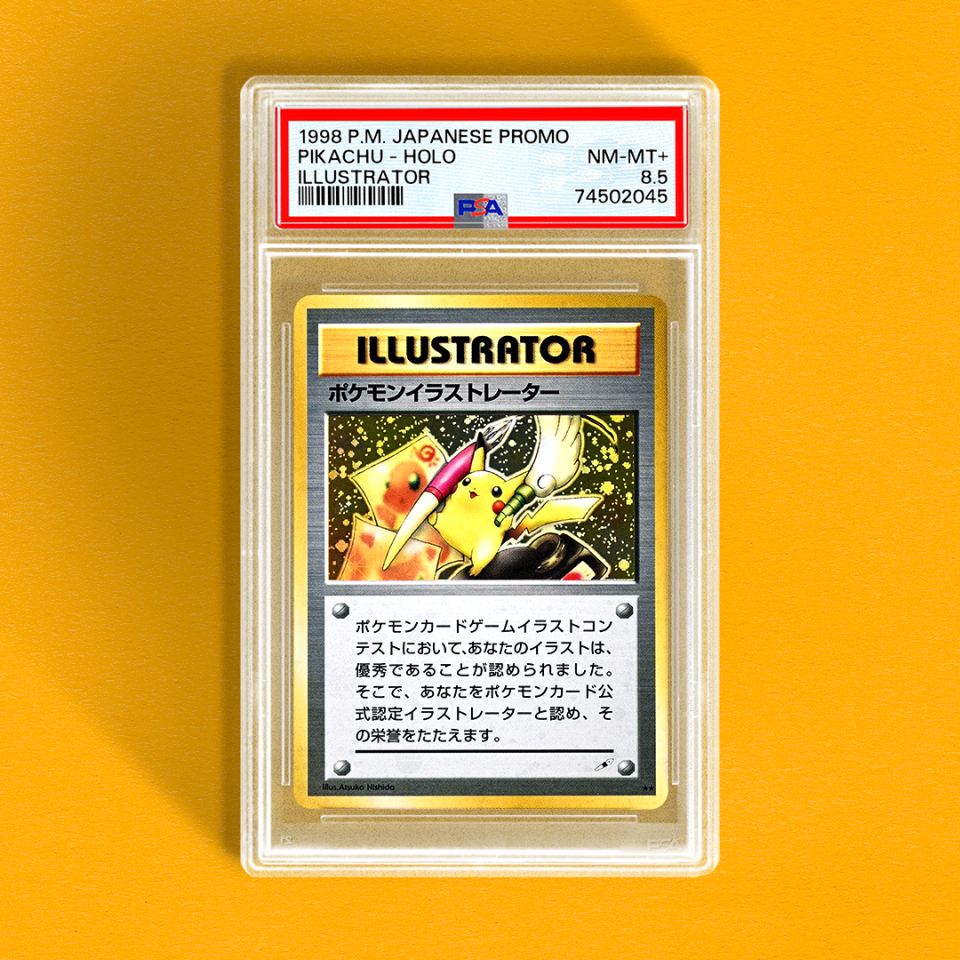
How much are your old Pokémon trading cards worth? Values could ...