Educators and parents looking for a flexible, ready‑to‑print resource can now download a printable cursive alphabet chart template that can be personalized with colors, fonts, and themed visuals, making handwritten practice both functional and engaging.
What makes a printable cursive alphabet chart template useful for beginners?
The core advantage lies in its adaptability. A single PDF file can be edited in common programs such as Microsoft Word or Google Docs, allowing users to:
- Swap the default sans‑serif headings for a playful script that mirrors the cursive style children will learn.
- Insert classroom or home‑school branding, like a school logo or a child's name.
- Adjust line spacing to suit different ages, from kindergarten to early elementary.
Because the file is vector‑based, it prints sharply on any paper size—letter, A4, or even 8.5×11‑in sheets—without loss of quality.
How can you customize the template with themed illustrations?
Adding relevant images turns a plain chart into a visual cue that reinforces letter‑sound connections. For example, pairing each letter with an animal picture encourages vocabulary building while practicing cursive strokes.
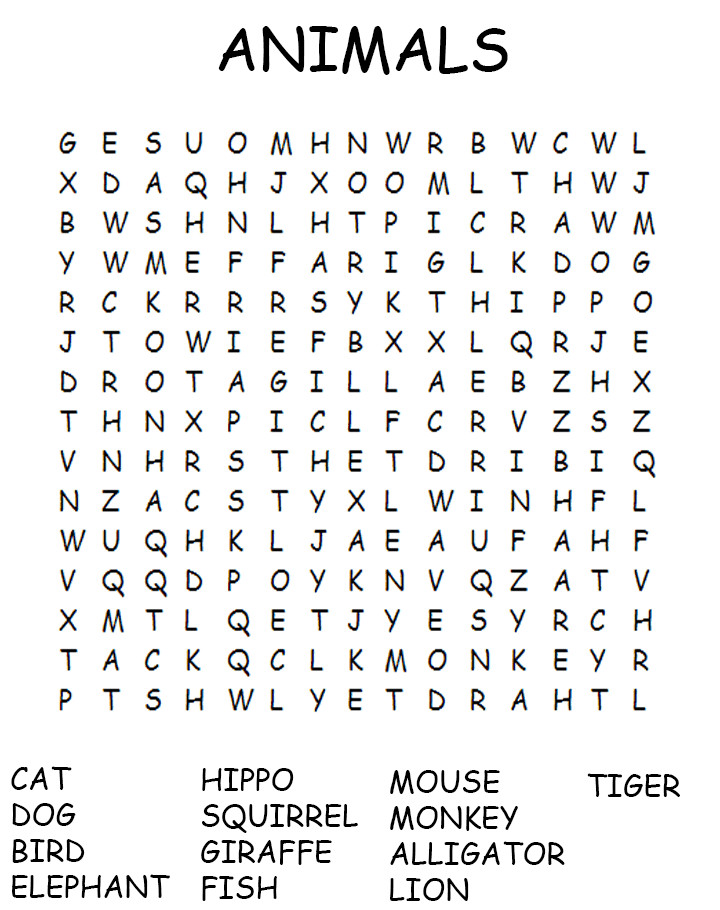
Below are three simple steps to embed such graphics:
- Download a free clip‑art set or use royalty‑free animal icons.
- Insert the image into the template cell next to the corresponding letter.
- Resize the picture to fit the cell without distorting the surrounding text.
Where can parents find free printable versions without hidden fees?
Several educational portals host downloadable versions of the template under a Creative Commons license. Users typically need to:
- Visit a reputable site that offers “Printables for Everyone.”
- Confirm the download is labeled as free and does not require registration.
- Open the file in a compatible editor to make any desired tweaks.
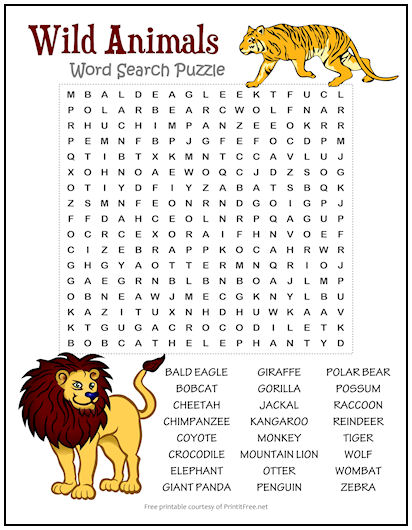
One reliable source also provides a farm‑animal word‑search PDF that can be repurposed as a background layer for the alphabet chart.
What impact does a customized cursive chart have on early handwriting skills?
Research indicates that visual context speeds up letter recognition. When a child sees the letter “b” alongside a familiar image—like a barn animal—it creates a mental hook that supports muscle memory during writing. Custom charts also address diverse learning styles:
- Visual learners benefit from color‑coded letters and themed icons.
- Kinesthetic learners can trace the printed cursive strokes on the chart before moving to blank paper.
- Auditory learners may pair each letter with a short rhyme printed beneath the graphic.
Teachers report higher engagement scores after introducing a personalized chart, especially when the material reflects classroom interests such as sports, nature, or popular characters.
How can you efficiently print and distribute the customized chart?
Because the template is designed for bulk printing, schools can produce dozens of copies with a standard office printer:
- Set the document to “Fit to Page” to avoid margin cropping.
- Choose a high‑quality cardstock for durability, especially in high‑traffic classrooms.
- Laminate the printed sheets if a reusable, wipe‑clean surface is desired.
Once printed, the charts can be rolled out as daily writing stations, placed at home study desks, or handed out as take‑home practice worksheets.
Free Printable Animal Word Search - Draw Craft Create
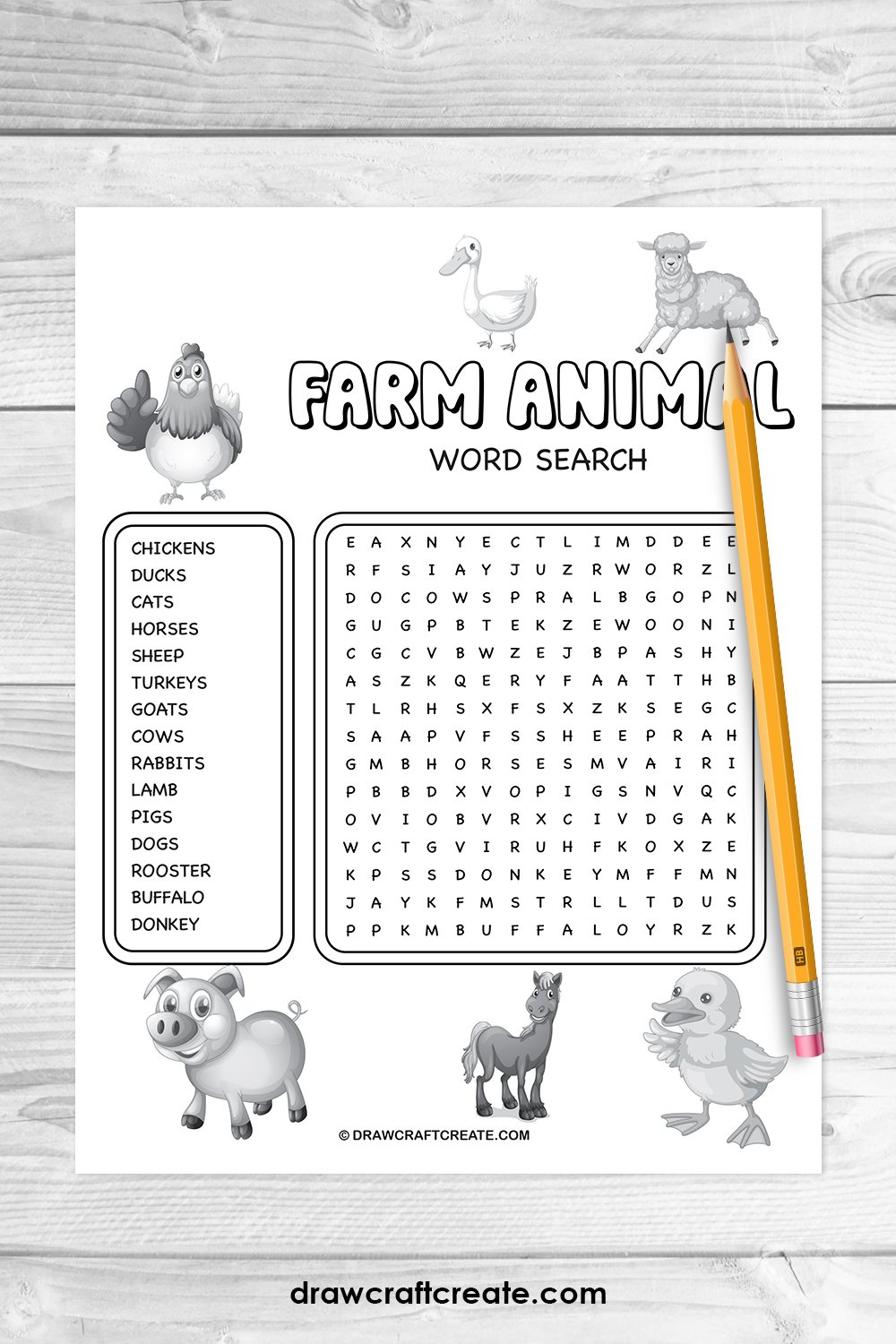
Free Printable Animal Word Search - Draw Craft Create
Animal Printable Word Search

Animal Printable Word Search
Hard Animal Word Search Printable
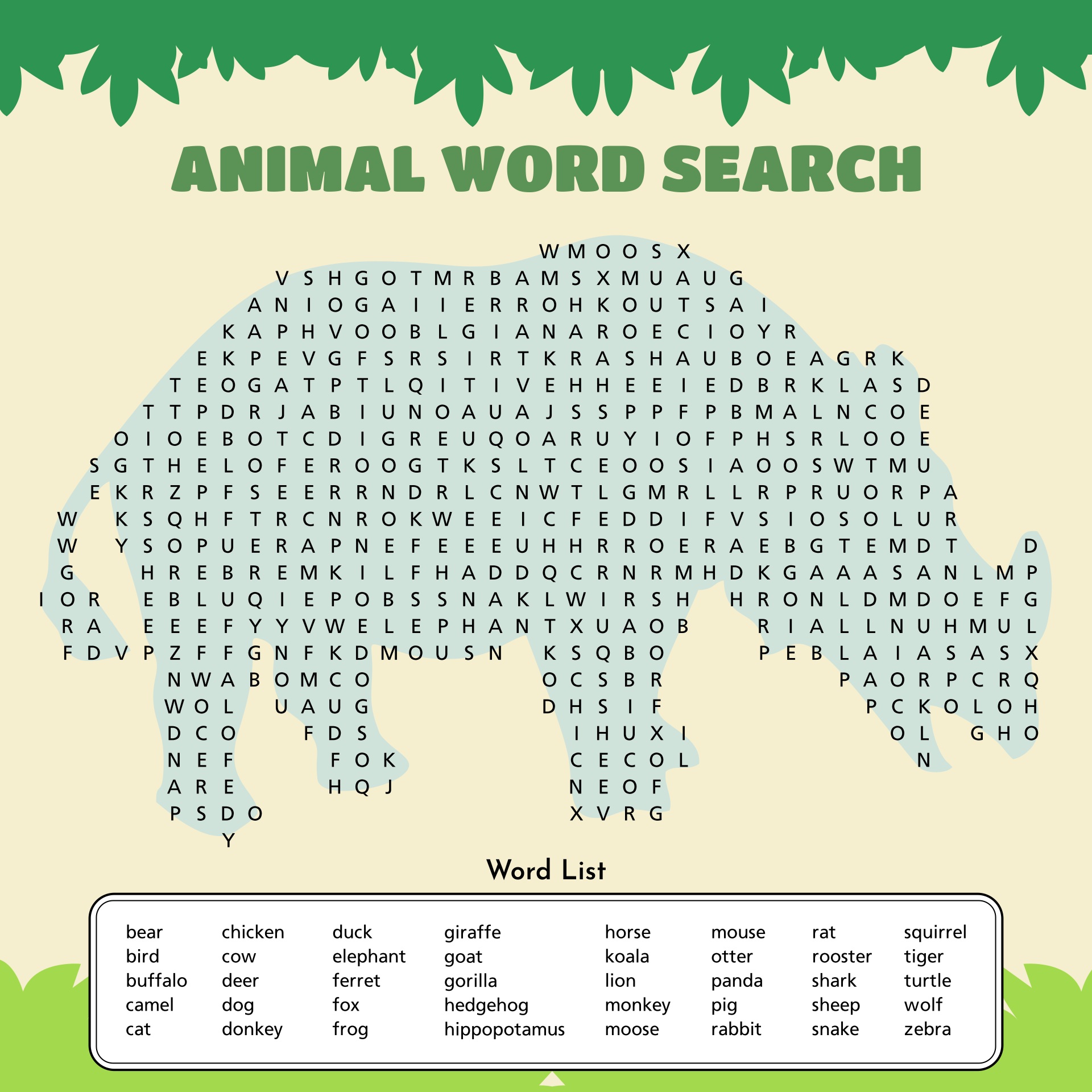
Hard Animal Word Search Printable