Illusion-based entertainment in bars and hospitality venues has shifted from novelty act to strategic experience design. Venues now commission visual installations, interactive optical tricks, and immersive décor to differentiate themselves in competitive nightlife markets. For researchers and operators evaluating this space, the key is understanding where illusion tactics deliver measurable returns—and where they risk becoming costly distractions.
Scenario: A Cocktail Bar Competing in a Saturated Downtown Corridor
When multiple bars cluster within walking distance, the differentiator is rarely the drink list alone. Illusion elements—mirrored surfaces that expand perceived space, projection mapping that transforms walls into shifting landscapes, or hand-painted trompe-l'oeil murals—can make a compact venue feel larger and more memorable. The benefit is twofold: guests linger longer and photograph the environment, generating organic social media reach.
However, researchers should note a cautionary pattern: venues that prioritize spectacle over service quality often see initial spikes in traffic followed by steep drop-offs. Illusion décor does not compensate for inconsistent cocktail execution or poor seating ergonomics.
Scenario: A Private Event Space Targeting Corporate Functions
Corporate clients booking product launches or team-building evenings frequently request "Instagrammable" moments. Illusion entertainment—ranging from augmented reality photo stations to holographic displays—serves this brief effectively. The selection criterion here is adaptability: can the illusion setup be reconfigured for a tech startup one week and a law firm's anniversary the next?
Operators evaluating vendors should request case studies demonstrating repeat installations across different venue layouts. One-off custom builds inflate costs without building operational expertise.
Scenario: An Established Venue Testing Visual Arts Integration
Some bars approach illusion entertainment through visual art partnerships rather than technology. Commissioning local artists to create optical illusion murals or kinetic sculptures introduces cultural credibility alongside visual intrigue. This path often carries lower upfront costs than digital installations and supports community engagement narratives.
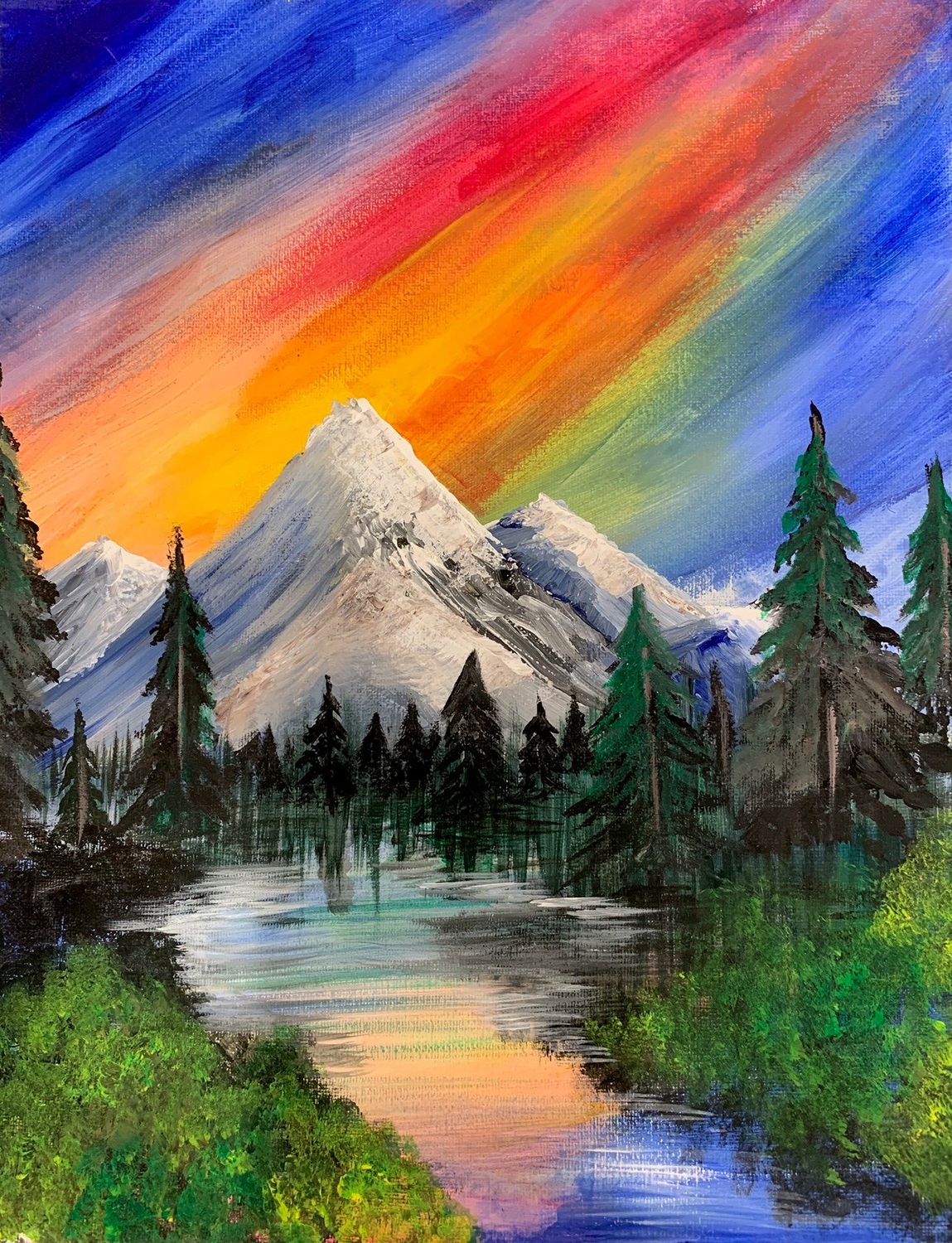
The trade-off is durability and flexibility. Painted installations cannot be updated as easily as digital content, and a mural that ages poorly may require costly restoration rather than simple replacement.
Selection Criteria for Researchers and Operators
Evaluating illusion-based bar entertainment requires assessing several factors systematically:
- Scalability: Can the effect work in a 40-seat bar as well as a 200-seat event hall?
- Maintenance burden: Does the installation require specialized technicians or can in-house staff manage it?
- Guest impact versus cost: Does the illusion meaningfully extend dwell time or increase spend per visit, or does it simply occupy wall space?
- Reversibility: If the concept underperforms, how easily can the venue revert to its previous design?
The art of illusions in bar entertainment continues to evolve rapidly, driven by advancing projection technology, augmented reality tools, and a hospitality industry increasingly oriented toward experience over transaction. Researchers tracking this space benefit from distinguishing between durable design strategies and fleeting novelty—because the venues that endure are those where illusion enhances the core offering rather than masking its gaps.
Art Nouveau Designs In Color
Art Nouveau Designs In Color
Peinture Beaux Arts _ Géant Des Beaux Arts Catalogue – SQMKS

Peinture Beaux Arts _ Géant Des Beaux Arts Catalogue – SQMKS
Art | Majors & Degrees | Mississippi College
Art | Majors & Degrees | Mississippi College